Eye for cooperation
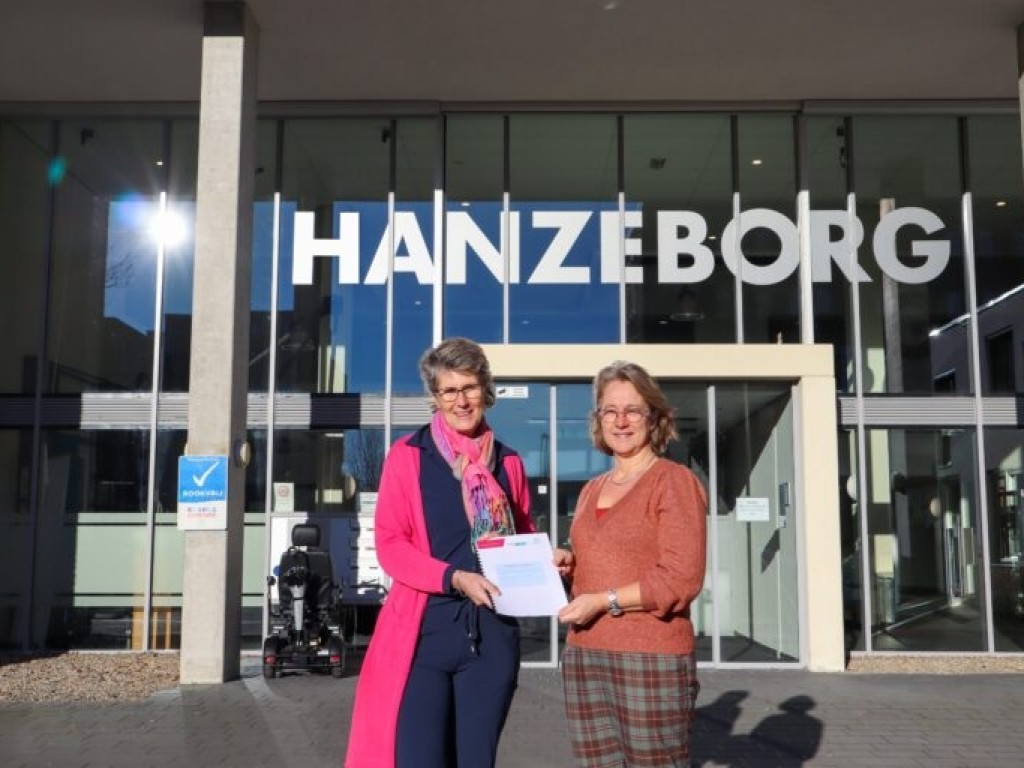
Woonzorg Flevoland and Welzijn Lelystad examined the opportunities for cooperation between informal and formal care in in-patient care. This is needed to keep care accessible and affordable. The conclusion? 'If the care professional looks through the eyes of an informal carer, the informal carer feels more seen and the care professional has more room for person-centred care,' says project leader Aafke Smits, who conducted the study 'Eye for cooperation' at Woonzorg Flevoland.
Collaboration informal and formal care
Cooperation between informal carers and staff in intramural care (care in the nursing home) is the focus of the research by Woonzorg Flevoland and Welzijn Lelystad. 'Equality and having an eye for each other are essential for good cooperation,' says Aafke Smits. 'After all, care providers and informal carers have the same goal: that their client or loved one is doing well physically and socially. The efforts and views of the informal carer preferably focus on social wellbeing. An opportunity for care professionals to work in an (even) better person-centred way'.
Different roles of informal carers
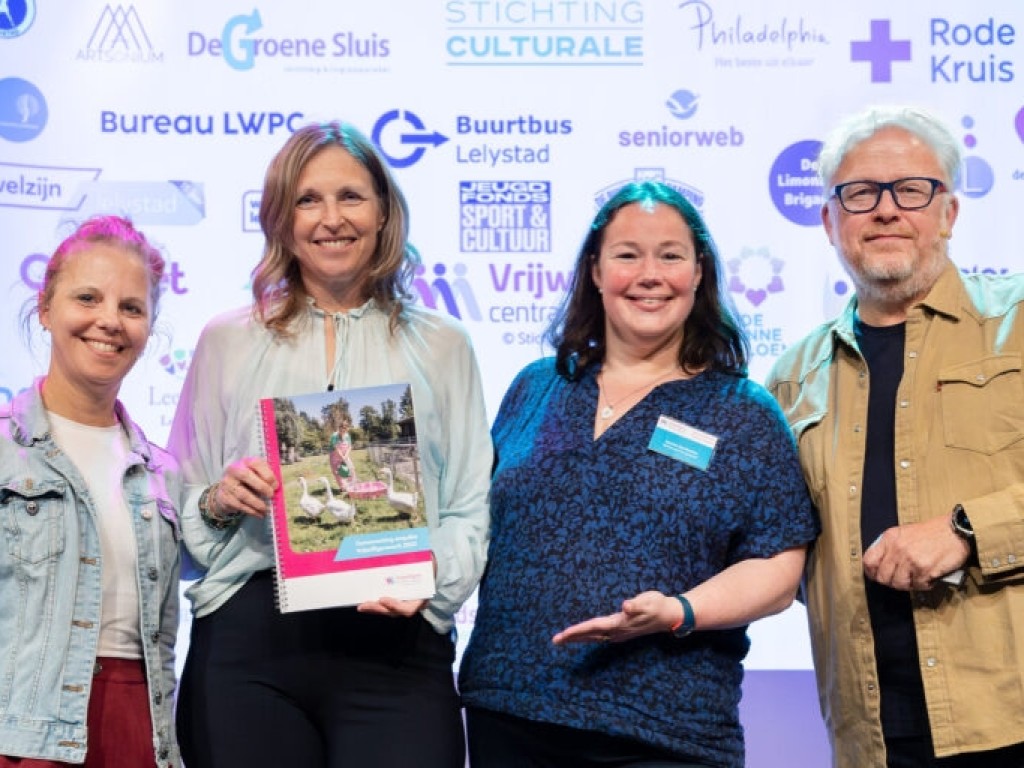
The report provides practical tools for healthcare professionals to address the different roles of informal carers. After all, informal carers are care provider, client, personal relationship and expert all in one. Aafke Smits emphasises the importance of involving the client's own social network. Professionals and informal carers together take care of the client's well-being and care. This was recently reaffirmed in the informal care covenant signed by Woonzorg Flevoland, Welzijn Lelystad, Lelystad municipality and 13 care and welfare organisations.
Examples from the home
Examples from the home situation, in which informal carers cooperate with welfare coaches, for example, offer opportunities for inpatient care, according to this study. In the neighbourhood, welfare coaches work with clients and the informal network to promote people's well-being. The result? 'Greater happiness in life, a delay in the demand for care as well as reducing the pressure on informal care. This also offers opportunities for inpatient care.'
Happiness
In the home situation, it is all about self-direction. This involves asking the following questions: What can I do myself, what can my environment do, what can volunteers do? If that is not a solution: what do I need from professional care? You can keep asking the same questions when someone moves into a residential care facility. There, too, it is important that people retain control, feel connected and know how to make use of their competences, the three components of happiness.
Recommendations
'The study concludes with a number of conclusions and recommendations that Woonzorg Flevoland is happy with and which we have started to implement immediately,' says Greet Koelewijn, coordinator of volunteer policy at Woonzorg Flevoland.
Want to read the entire survey? You can download it here.